English
 中文简体
中文简体Metallic Yarn Weaves Function with Fashion
In the dynamic world of textile design and advanced material science, one element has consistently shimmered with potential: metallic yarn. This specialized yarn, which incorporates fine metallic strands or coatings into its structure, is experiencing a resurgence far beyond its traditional decorative role. Today, metallic yarn is recognized as a key component in the development of functional, smart, and aesthetically striking fabrics, bridging the gap between classic craftsmanship and contemporary technological application.
The basic composition of metallic yarn has evolved significantly. Historically, it was made by wrapping a core thread, such as cotton or rayon, with a thin strip of actual metal foil, often producing a somewhat stiff and delicate thread. Modern manufacturing, however, utilizes advanced techniques like laminating polyester films with microscopic layers of aluminum, then slicing this composite into ultra-fine, pliable strands. These strands can be twisted with other fibers to create a durable, flexible, and highly versatile metallic yarn. This innovation has transformed the material from a niche embellishment into a practical and processable component for both industrial looms and hand-weaving.
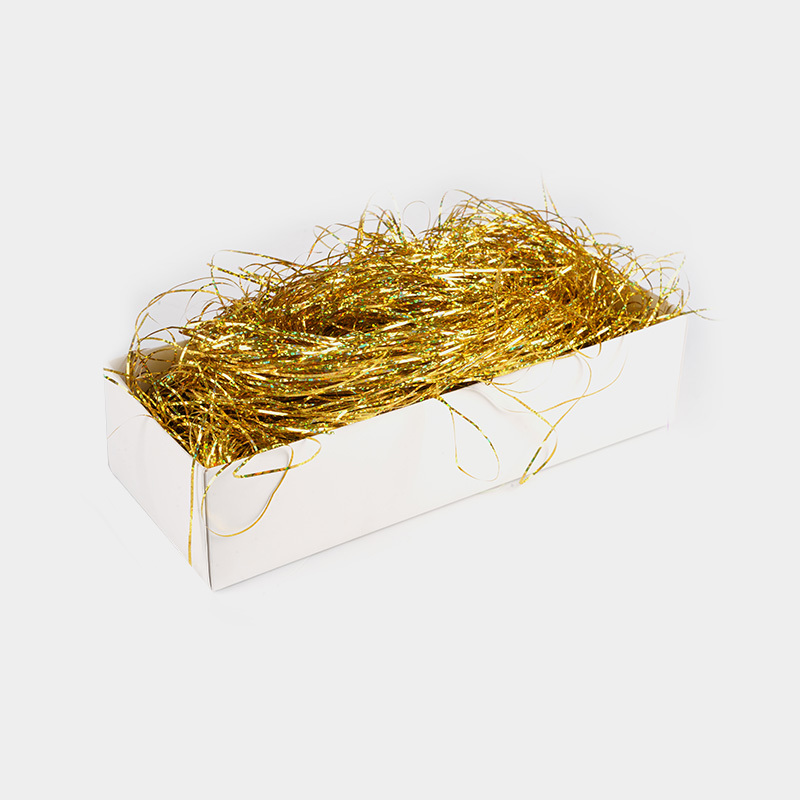
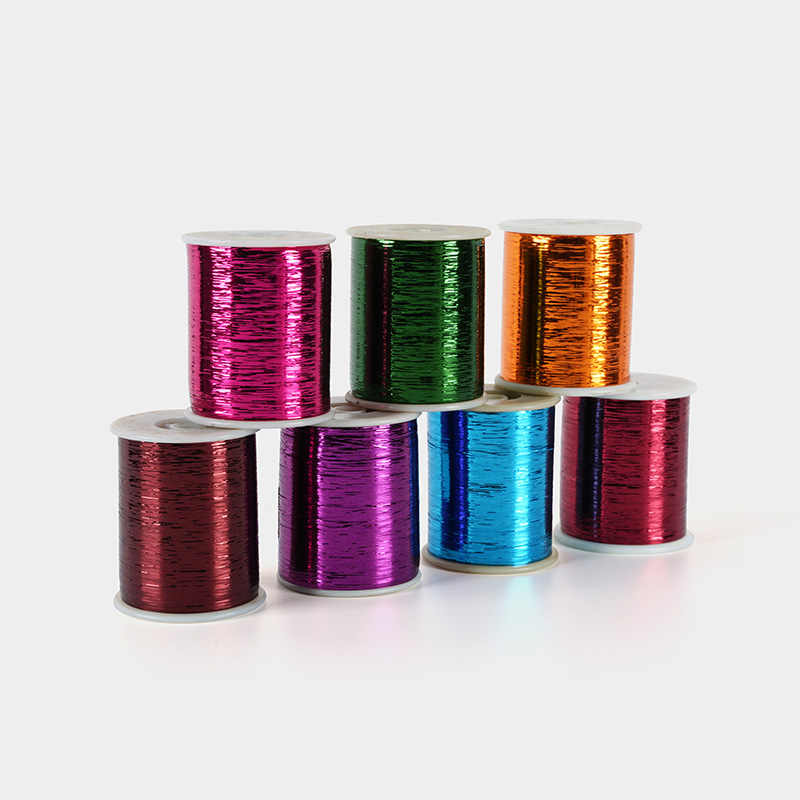
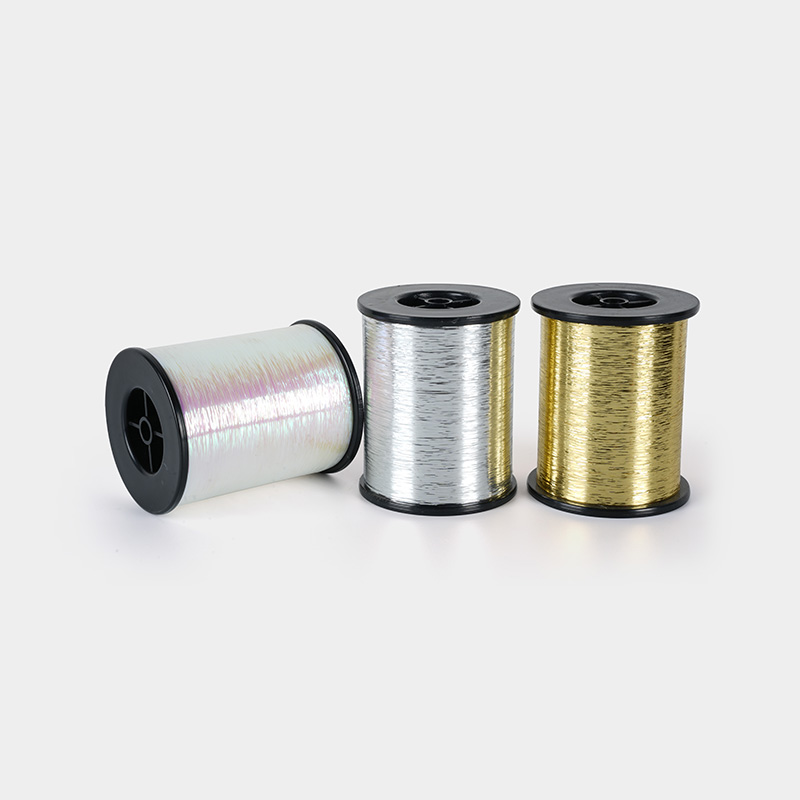
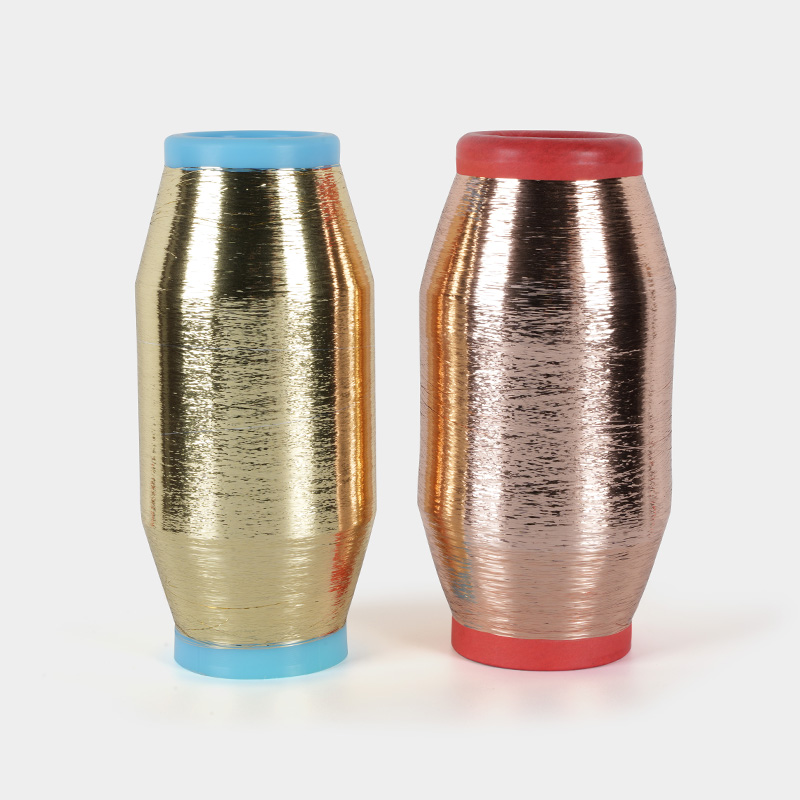
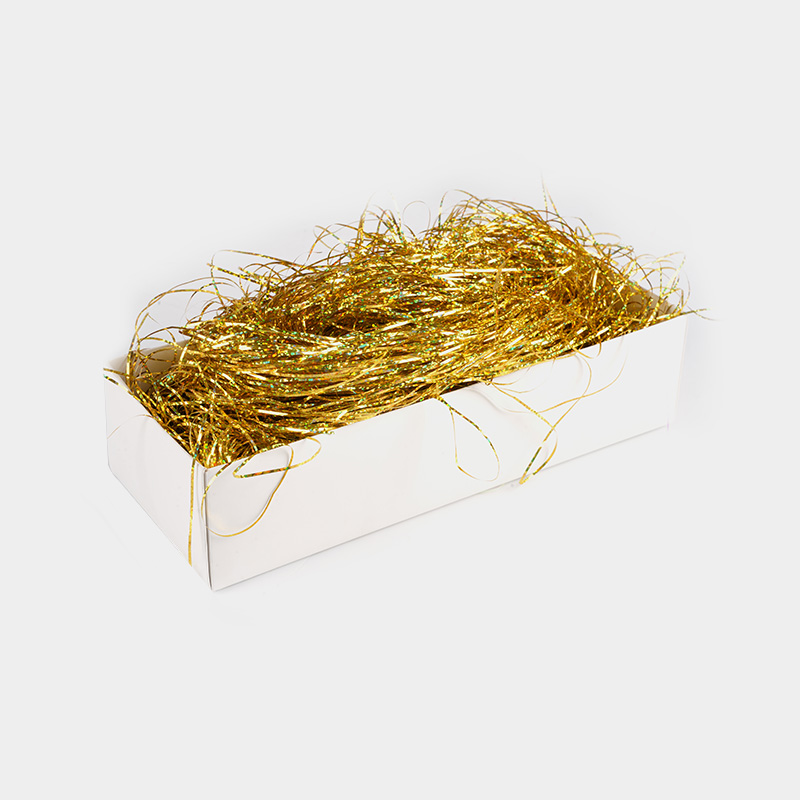
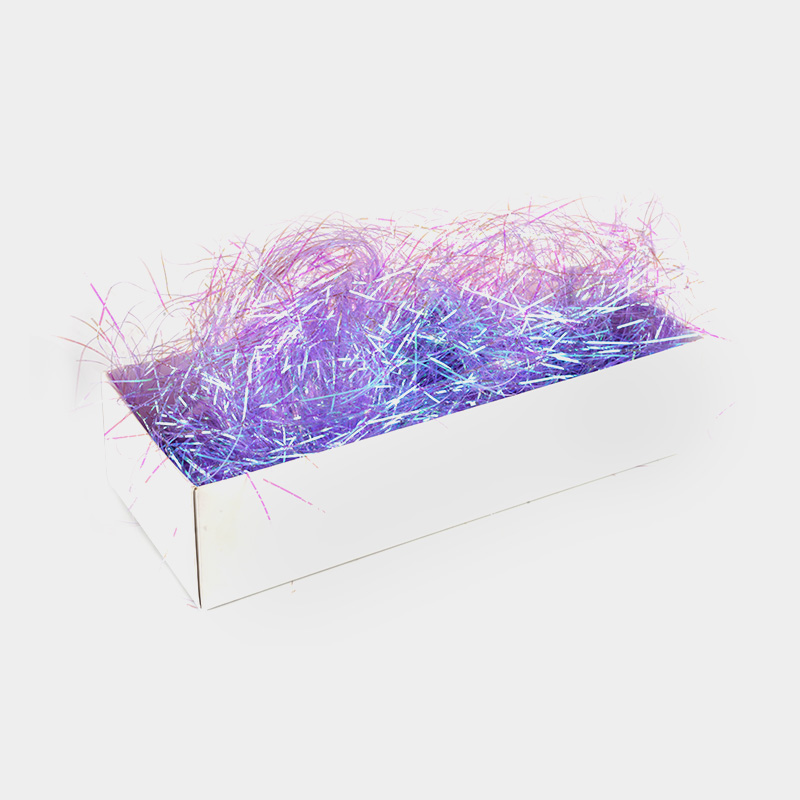
The immediate appeal of metallic yarn remains its visual and tactile contribution to fabric. It imparts a subtle lustre, a sparkling highlight, or a bold metallic sheen, depending on its density and blend. This makes metallic yarn a favorite among fashion and interior designers seeking to add dimension, light reflection, and a touch of luxury to garments, upholstery, tapestries, and accessories. Its ability to catch and play with light creates dynamic textiles that change appearance in different lighting conditions, offering endless creative possibilities for aesthetic expression.
Beyond its decorative function, metallic yarn is increasingly valued for its functional properties. The conductive nature of the metallic element is its significant technical attribute. When integrated into fabrics, metallic yarn can form lightweight, flexible, and washable conductive pathways. This capability is foundational to the growing field of electronic textiles, or e-textiles. Garments woven with metallic yarn can enable touch-sensitive controls, integrate soft circuitry for health monitoring sensors, or provide low-level heating elements. In industrial settings, fabrics incorporating metallic yarn are used for static dissipation or electromagnetic interference (EMI) shielding in specialized protective wear and equipment covers.
The application spectrum for metallic yarn is remarkably broad. In the fashion industry, it is used for eveningwear, athletic apparel with integrated functionality, and accent details in everyday clothing. For home furnishings, it adds elegance to curtains, cushions, and wall coverings. Technically, it is being explored in automotive interiors for heated seating elements, in architecture for smart curtains that manage light and heat, and in wearable technology for discreet, comfortable device integration. The durability and flexibility of modern metallic yarn allow it to withstand the rigors of these diverse applications while maintaining its performance and appearance.
Metallic yarn exemplifies how a traditional material can be reinvented for the future. It is no longer just a thread that glitters; it is a versatile filament that can conduct electricity, enable interaction, and inspire design. As the boundaries between technology and textile continue to blur, metallic yarn stands as a critical thread in the fabric of innovation, connecting the rich heritage of textile arts with the promising frontier of functional material science. Its continued evolution promises to weave new capabilities into the very fabric of our daily lives.
 previous post