English
 中文简体
中文简体Metallized PET Film Supports Diverse Industrial Applications
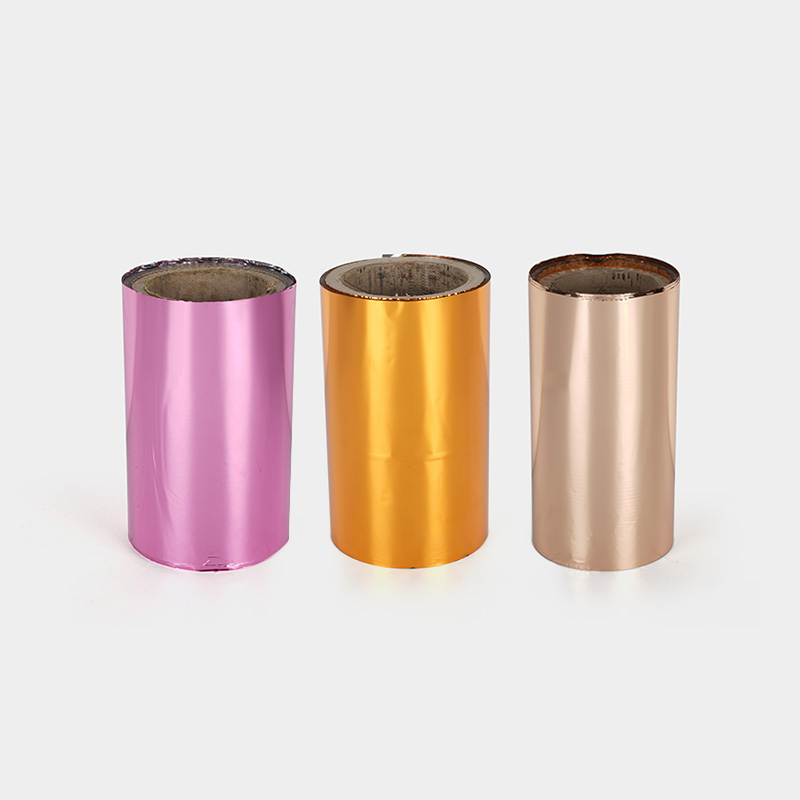
The global market for advanced polymer films continues to evolve, with Metallized PET Film maintaining a significant and multifaceted role across various industrial sectors. This specialized material, created by depositing an ultra-thin layer of metal—typically aluminum—onto a polyester (polyethylene terephthalate) film substrate, combines the inherent strength, clarity, and dimensional stability of PET with new functional properties imparted by the metallic layer. The enduring demand for Metallized PET Film is driven by its unique balance of performance characteristics, which include enhanced barrier properties, aesthetic appeal, and electrical conductivity, making it a critical component in packaging, electronics, insulation, and decorative applications.
The production process of Metallized PET Film is a precise vacuum deposition technique. A roll of clear PET film is placed in a high-vacuum chamber where a metal source, lots of commonly aluminum, is vaporized. The metal atoms then condense onto the moving film, forming a uniform microscopic layer that is typically only a few hundred angstroms thick. This process allows for meticulous control over the optical density and conductivity of the coating. The resulting Metallized PET Film can be engineered to be highly reflective, semi-transparent, or opaque, depending on the application's requirements. The choice of substrate thickness and the specific metallization parameters are carefully calibrated to achieve the desired balance between flexibility, barrier performance, and cost-effectiveness for each end use.
A primary and longstanding application for Metallized PET Film is in the flexible packaging industry. Here, its lots of valued property is its exceptional barrier performance against gases (like oxygen and nitrogen) and moisture vapor. This makes Metallized PET Film an essential component in laminated structures for preserving the freshness, flavor, and shelf life of a wide range of food products, including snacks, coffee, and dried goods. Beyond its functional role, the bright, metallic sheen of the film provides an attractive and premium aesthetic on store shelves, aiding in product differentiation and brand recognition. In this context, Metallized PET Film often serves as a more cost-effective and lightweight alternative to foil laminates.
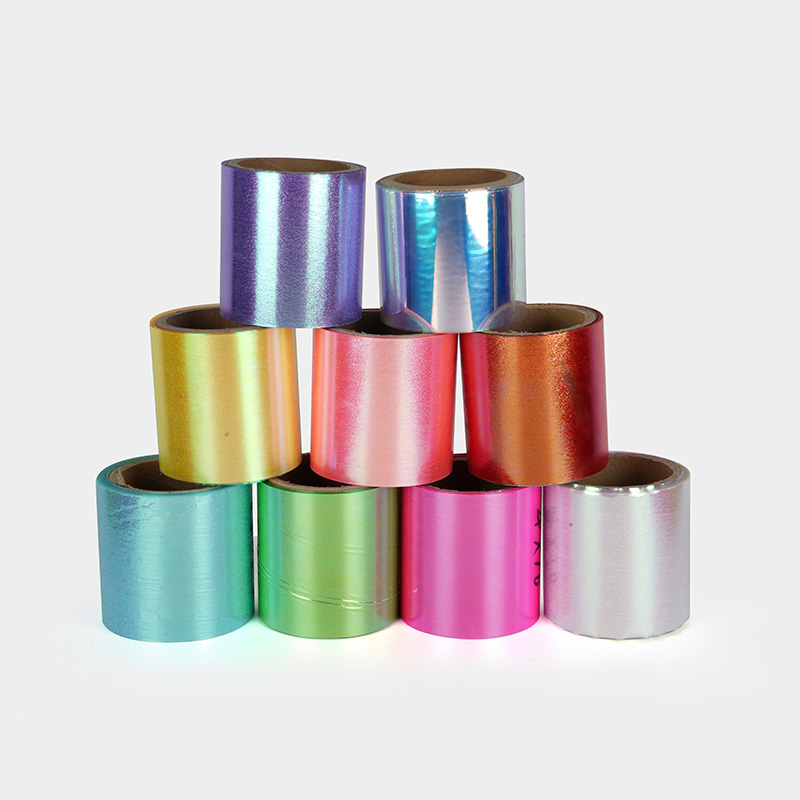
Beyond packaging, Metallized PET Film finds essential utility in technical and industrial fields. In the electronics sector, its ability to conduct electricity makes it suitable for applications such as flexible circuitry, capacitive touch sensors, and electromagnetic interference (EMI) and radio frequency interference (RFI) shielding. The film's reflective properties are leveraged in products like thermal insulation barriers for buildings and automotive applications, where it helps manage radiant heat. Additionally, decorative uses of Metallized PET Film are widespread, including in gift wrap, labels, holographic security features, and theatrical or display backdrops, where its lustrous finish and ability to be embossed or patterned are key assets.
The development trajectory for Metallized PET Film is being influenced by sustainability initiatives and technological integration. There is growing research and commercial interest in developing high-barrier, recyclable mono-material packaging structures that incorporate Metallized PET Film in a way that facilitates easier recycling. Advancements in coating technology may allow for the use of alternative metals or transparent conductive oxides to expand its functionality in next-generation flexible electronics and organic photovoltaics. As industries continue to seek materials that offer multifunctionality, reliability, and improved environmental profiles, Metallized PET Film is poised to adapt and retain its relevance, demonstrating how a mature material technology can continue to find new applications in an evolving industrial landscape.
 previous post